The Playwork Principles remind us that, for playworkers at least, play is important for play’s sake. The instrumental outcomes of play are secondary. But that doesn’t mean that we can’t advocate for more play in realms where play’s functional value might make it sound more attractive or politically viable. And what other place do most children spend a majority of their time?
The prime focus and essence of playwork is to support and facilitate the play process and this should inform the development of play policy, strategy, training and education.
– Playwork Principle 3
This week, Play England and the Youth Sport Trust released More Play. Better Learning, a new summary report calling for Play Sufficiency to be embedded across England’s primary, secondary and special schools, as well as Alternative Provision. Alongside a rapid evidence review by Dr Wendy Russell and Ludicology, the report sets out a clear, urgent message: children need more time, space and acceptance to play – and schools have a vital role to play in making that possible.

Children’s opportunities to play have been steadily squeezed out of everyday school life. Breaktimes have shortened, outdoor spaces are increasingly colonised, and curriculum demands have intensified. It’s therefore no surprise that children lack the time, space and permission they need to play.
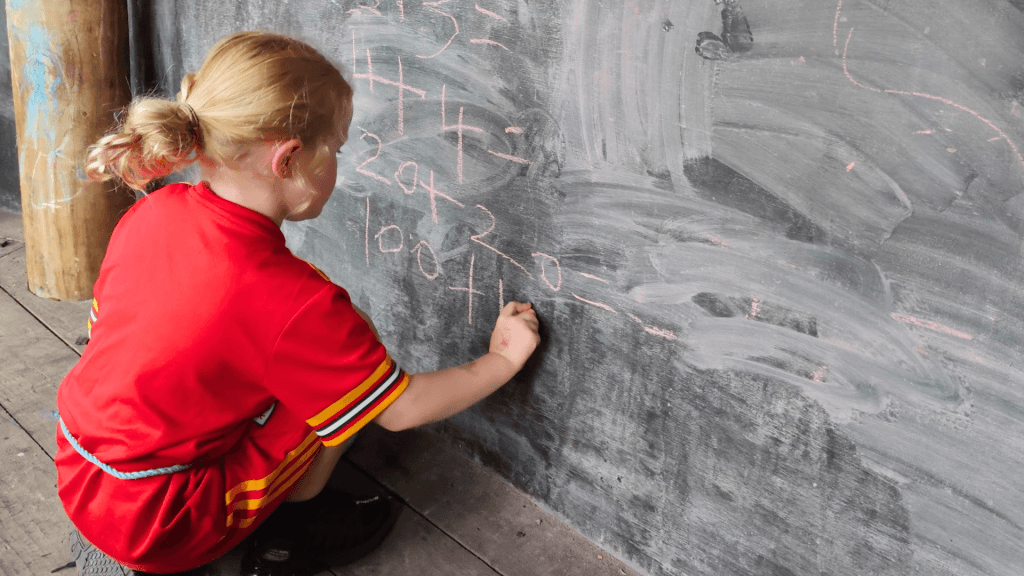
The report highlights the consequences: rising anxiety, poor attention, persistent absence, widening inequalities, increasing SEND need and growing pressure on teaching staff. Play, it argues, is not a distraction from learning – play is learning. Through play, children regulate emotions, build relationships, develop confidence, explore risk, solve problems and experience joy. When children have the conditions to play in ways they value, they actively generate wellbeing.
A Practical Route Forward
The report introduces a framework that will feel familiar: Play Sufficiency. It asks a simple but transformative question: Does every child have enough time, space, acceptance and rights protection to play in ways that matter to them?
The framework focuses on four structural conditions:
- Space: Accessible, inclusive, stimulating environments that are safe enough for exploration and appropriate risk.
- Time: Predictable, protected, uninterrupted opportunities for self-directed play every day.
- Acceptance: A school culture that values and actively supports children’s play.
- Rights-informed practice: Alignment with Article 31, General Comment 17 and the wider UNCRC
“If we are serious about giving children their childhood back, then more play must become a normal, accepted and valued part of every school day.”
– Eugene Minogue, Executive Director, Play England
Tom Hayes MP, Chair of the APPG (All-Party Parliamentary Group) on Play, welcomes the report as a practical framework for policymakers and school leaders. The message is simple: protecting children’s opportunities to play is not at odds with raising standards. It supports them.
Play England and the Youth Sport Trust will now work with schools to develop practical tools to embed Play Sufficiency within everyday school life. These tools will help schools understand what children do, how they experience their environments, and how structural changes can support wellbeing, engagement, learning and inclusion.
Not from scratch
Fortunately, this work will not need to start from scratch. Here we share some of the existing information and resources from some of the other national play organisations:
Play Wales: Play in Schools
Play Wales’ long-standing work with schools offers a rich set of insights and resources. Their guidance emphasises that children have a right to time and space to play during the school day, and that playtimes are not a luxury but a vital part of school life.
From the Wales Children’s Omnibus Survey (2022):
“98% of children said they look forward to playtime at school… 82% said they especially like playtime as it allows them to spend time with their friends.”
Play Wales highlights that richer play environments – including loose parts, green spaces, and staff who understand play – lead to improvements in academic performance, attention, behaviour, social skills and relationships between groups of children.
Crucially, they also warn against removing playtime as punishment, noting that the Welsh Government’s whole-school wellbeing framework states this “denies children their right to play and can cause stigmatisation and anxiety.”
Key resources for schools in Wales include:
- A Play Friendly School – Guidance for a whole school approach
- Opening School Grounds for Play – Toolkit
- Resources for Playing – Loose Parts Toolkit
- Thinking About Loose Parts in School
- Right to Play Workshop
Northern Ireland: Play as a Driver of Learning and Wellbeing
PlayBoard NI’s publication Why Play Matters in Primary Schools reinforces the same core message: high-quality play within school environments strengthens children’s cognitive, social and emotional development.
From their evidence:
“Play is a primary driver of children’s learning, development and well-being”
PlayBoard’s school programmes, developed since 2005, are built around two complementary pillars designed to embed play as a sustainable part of school culture – not a one-off intervention. Their work demonstrates improvements in play environments, improved mental health outcomes, and increased staff confidence to use play-based approaches across the school day.
Scotland: Play as a Vital Learning Tool
Play Scotland’s schools guidance positions play as central to learning, wellbeing and inclusion.
Their message is clear:
“There is no better activity for learning and development than play”
Play Scotland highlights how play enhances learning and creativity, supports mental health and emotional regulation, fosters collaboration and communication, and helps build inclusive, supportive school communities. This aligns closely with Scotland’s wider educational vision, reflected in Realising the Ambition, which emphasises that children learn best in environments rich in quality interactions, interesting spaces and meaningful contexts.
They also provide a suite of school-focused resources, including:
The Playwork Foundation welcomes this growing momentum. The evidence from across Great Britain and Northern Ireland reinforces what playworkers have long understood: children need time, space, and permission to play in ways that matter to them. Schools cannot solve the wider decline in children’s opportunities to play alone – but they can become places where play is recognised as fundamental wellbeing and childhood itself, if also to learning as the pull.


