
Playworkers across these islands are in the thrust of arguably the busiest times of the year, and usually the warmest.
Whether you chalk it up to global warming or chalkier theories, hotter summers are no longer anomalies – they’re becoming part of the seasonal rhythm. As heat becomes less exceptional and more expected, the clickbait tips will fade – but the need for thoughtful, place-based guidance will only grow.
So, with the help of Stockholm-based playworker Suzanne Axelsson, we’ve compiled some facts, figures, and field-tested strategies to help you not only respond to high temperatures, but anticipate them – in your budgets, your resources, and your site design.

Too Hot to Play – The facts at a glance
Children are at risk of burns when surface temperatures exceed 50℃, or when skin is exposed to 45℃ for long periods. Surface temperatures above 50℃ can cause severe burns in seconds – especially on young skin.
Playground surfaces and equipment (particularly plastic) can reach these high temperatures on bright, dry days in the high twenties. Slides, poles, guardrails, swing seats, barriers, tabletops, decking and slabs are just some examples of the surfaces that can pose a burn risk when exposed to direct sunlight in these temperatures.
Top tips:
- Test surface temperatures before each play session, including flooring.
- If you don’t have a thermometer, use a hand test: if you can’t keep your hand comfortably on the surface for 5 seconds, it’s too hot for play!
- Recheck temperatures throughout the day. Using a timed checklist can help monitoring during hot spells.
Prevention
- Avoid south-facing equipment (especially slides) to limit sun exposure during peak heat.
- Offer natural shade – trees can cool surrounding areas by up to 8℃ – and consider cooling surfaces down with water.
- Use natural materials. Synthetic grass and rubber surfacing can burn children’s feet, especially darker colours.
- On hot days, encourage children to keep shoes on and avoid prolonged contact with hot surfaces, including when kneeling or sitting.

Heat hacks
Keep hydrated:
- Make sure there is access to drinking water.
- Sweating is the body’s way of keeping cool (and it’s pretty effective), but water lost through sweating needs to be replaced, which is why keeping hydrated is so important.
- Some children won’t realise they’re dehydrated, so reminders will help.
- Add a little fruit juice or cordial to encourage those who “don’t like” water to stay hydrated.
- Cucumbers, tomatoes, oranges and watermelon are all good ways to keep hydrated.
- Electrolytes help to stay hydrated – these are found naturally in coconut water, milk, fruit juices, and smoothies.
- Ice-lollies are better than ice-cream for cooling off – the milk and creamy fats of the ice cream use energy to digest, increasing your body temperature.

Keep cool:
- If you have a choice, play outside early in the day and late in the afternoon to avoid the worst UV radiation at midday.
- Lots of locomotor play going on? It’s not the playworker way, but try encouraging breaks in the shade to bring down core temperature and rehydrate.
- Fans can bring immediate relief to sweaty faces, but they also speed-up dehydration(!), so make sure there’s plenty of drinking water. Misting sprays are a good choice.
- Water fight! Nothing cools better than water, but do consider the environmental impact of excessive water use (and your water bill!).
- Cool-rags (wet cloth), wet towels and bandannas help cool hot bodies down.
- Create foot baths to cool warm feet. Do check if you need to consider extra infection-control measures based on where you are: UKHSA (England); Public Health Agency (Northern Ireland); Public Health Scotland; Public Health Wales).
- Encourage children to wear loose, light-weight, light-coloured clothes. Caps and hats can protect from harmful UV rays, but they can also increase body temperature, so encourage time in the shade to take them off.
- Encourage everyone to sun cream for UV protection.

Heat, humidity & health
Humidity is how much water vapour in the air.
Low humidity means surfaces will feel hotter. But high humidity makes it harder to regulate body heat increasing the risk of heat-related illnesses, like heat exhaustion and heat stroke.
These heat-related illnesses can be serious and potentially life-threatening. They can also be brought on or intensified by physical activity.
Hydration and cooling down the body are the key to treatment and recovery from such illnesses. Recognising the signs and symptoms early will help avoid serious illness.
Below is a unified checklist drawing on NHS (England), nidirect (Northern Ireland), NHS Inform (Scotland) and Public Health Wales guidance:
Heat Exhaustion (early stage)
- Excessive sweating
- Pale, clammy skin or development of heat rash
- Muscle cramps in arms, legs or abdomen
- Intense thirst and dry mouth
- Weakness or fatigue
- Headache or throbbing headache
- Nausea, vomiting or feeling sick
- Dizziness or light-headedness
- Rapid heartbeat (tachycardia) and fast breathing (tachypnea)
- Dark or reduced urine output (sign of dehydration)
Heatstroke (advanced stage; medical emergency)
- Core body temperature above 40 ℃ (104 ℉)
- Skin that may feel hot and dry—or paradoxically cold/clammy—despite high temperature
- Altered mental state: confusion, irritability, aggressive behaviour, hallucinations
- Slurred speech or gross lack of coordination
- Seizures or convulsions
- Fainting, loss of consciousness or collapse
- Extreme lethargy or sudden sleepiness
- Loss of balance or falling down
- Feeling chills or rigors
- Absence of sweating despite feeling overheated

Children will react to heat in different ways. Some are more susceptible to heat than others.
Children with excess body weight, who have congenital conditions, or who are taking medication could be at increased risk of negative effects.
Even age can have an impact. For example, children under four years of age are at an increased risk because younger children produce more metabolic heat, are less able to sweat, and have core temperatures that rise faster during dehydration.
Disabilities and health needs may also play a role in the impact of heat extremes.
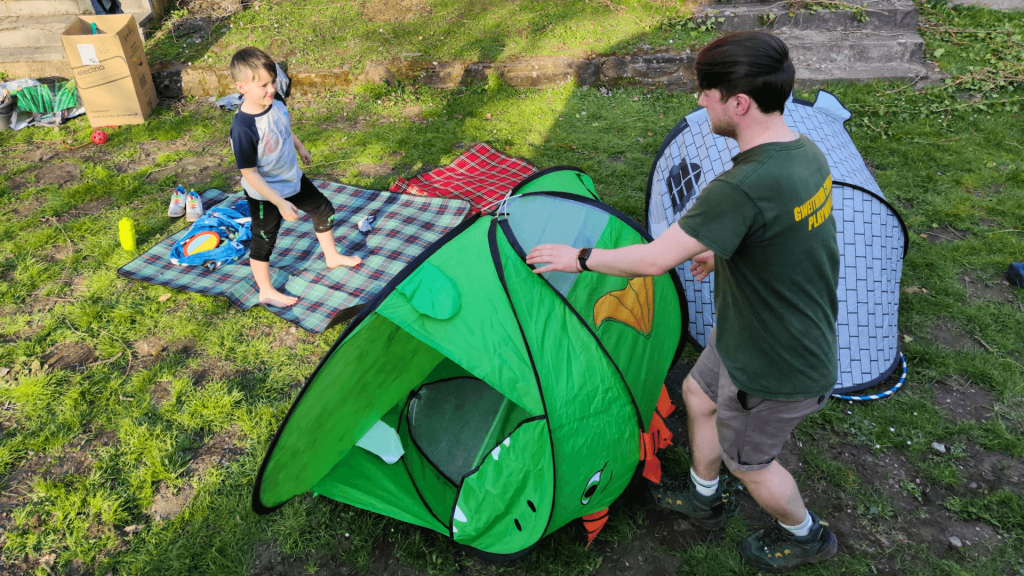
Having Fun in the Heat
- Instead of gathering around the campfire, congregate around the camp-pool – find some shade and have a shared pamper-sesh with you feet in soothing, cooling waters. Maybe offer some slower activities to encourage rest (e.g., art & craft, finger string games or board games) or set-up some hammocks.
- Murder She Soaked – swap chalk and crime scene tape for the cooling spray of a hose-pipe. Lie on the floor or sit against a wall, and use your body create a dry silhouette. Wet clothes will help cool off.
- Jur-ICE-ic Park – submerge dinosaurs or other “artifacts” in water and place in the freezer overnight. Once frozen, give your budding paleontologists toffee hammers or other suitable utensils to slowly chip away at these cold (and cooling) time capsules – watch out for ice burn by holding for too long.
- Curate a cool art exhibit – add non-toxic paint to water and freeze overnight Now you’ve got a frozen paintbrush! Again, watch out for ice burns.
- Put your cooking on ice, and make home-made ice-lollies with fresh fruit and juices.
- Don’t wait for Halloween – cool down by bobbing for apples!
- Run a car wash! Or bike wash, minibus wash…
Thinking About the Future
To create cooler outdoor spaces for play during hot days, prioritise shade, utilise water features, and select appropriate materials.
Shade
- Natural Shade: Plant shade trees to strategically to block direct sunlight and create cool microclimates. Deciduous trees allow sunlight to filter through during winter when it is needed.
- Shade Structures: Install pergolas, gazebos, or shade sails to offer focused areas of shade over seating or play areas.
- Adjustable Shade: Consider using umbrellas or retractable canopies on pergolas for flexibility in adjusting to the sun’s position.

Water Features
- Misting Systems: Misting systems can create a refreshing cool mist, especially effective in warmer climates.
- Water Play: Incorporate features like water tables, sprinklers, or even a small splash pad/paddling pool to offer cooling and fun.
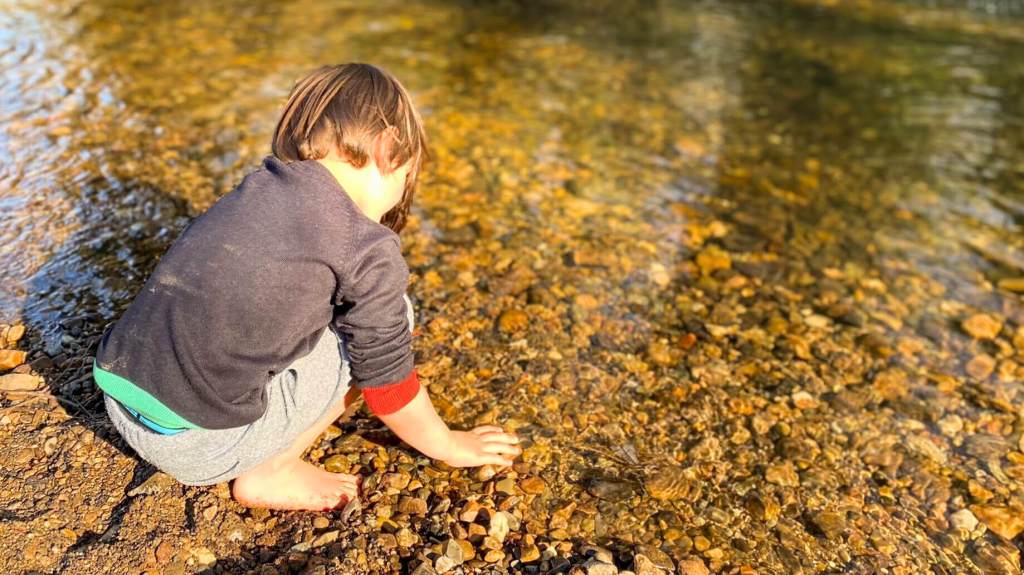
Materials
- Light-Coloured Surfaces: Use lighter-coloured surfacing materials (e.g., light-coloured concrete, pavers, or mulch) as they reflect more sunlight and absorb less heat than dark surfaces.
- Reflective Materials: Consider using materials with solar reflective properties for roofs to deflect solar radiation.
- Natural Materials: Choose materials like wood or bamboo, which tend to absorb less heat than synthetic materials.
- Ground Cover: Use materials like sand or bark for soft fall areas, which can reduce surface temperatures.

Other Considerations
- Ventilation: Ensure good airflow through the space by incorporating design elements that allow for natural ventilation.
- Hydration: Provide access to cool drinking water and encourage frequent hydration, as sweating is the body’s natural cooling mechanism.
- Time of Day: Schedule outdoor activities during cooler parts of the day, like early mornings or evenings when possible.
- Strategy: Create an extreme heat and hot weather strategy, so that everyone is aware of measuring temperature routines, when to limit high intensity play and games, when and where to create cool-down and hydration areas, what symptoms to keep an eye out for etc.
Sources and Resources
- https://www.unicef.org/parenting/emergencies/heat-wave-safety-tips
- https://www.epa.gov/children/protecting-children-and-maternal-health-extreme-heat
- https://www.unicef.org/documents/protecting-children-heat-stress-technical-note
- https://www.preventionweb.net/files/36380%2036380children.pdf
- https://www.healthychildren.org/English/safety-prevention/at-home/Pages/Protecting-Children-from-Extreme-Heat-Information-for-Parents.aspx
- https://www.npr.org/2025/06/24/nx-s1-5442382/heat-dome-kids-safety
- https://www.epa.gov/perspectives/protecting-children-extreme-heat
- https://education.nsw.gov.au/early-childhood-education/ecec-resource-library/hot-weather-risks-for-children
- https://www.kidsafensw.org/imagesDB/wysiwyg/PlaygroundNewsIssue392012EmbeddedFonts%202.pdf
- https://playwork.foundation/wp-content/uploads/2025/08/493aa-1609024heatguidelines.pdf
- https://www.washingtonpost.com/weather/2021/07/24/wet-bulb-temperature-extreme-heat/
- https://www.abc.net.au/news/2018-11-09/toddler-burns-feet-standing-on-metal-plate-ipswich-park/10477340?future=true&
- https://pmc.ncbi.nlm.nih.gov/articles/PMC8225778/
Checklist
- Check air and WBGT temperatures. If too hot consider play limits or cancelling/postponing.
- Check surface temperatures of ground and equipment (regularly throughout the day). If too hot cordon off the area/equipment that is too hot to be safe. If the entire area is too hot for play – cancel/postpone or offer a small area with calm activities where children can hang out and keep cool.
- Check accessibility to shade and the ability to cool down. If there is nowhere to cool down then play sessions in weather of 26℃ and over should be evaluated from a safety aspect. Invest in flexible shade if you can, so that it makes it possible for children to hang out together.
- Create a cool down area.
- Encourage children engaging in high intensity physical play to take breaks and cool down regularly.
- Ensure there is easy access to drinking water or other sources of rehydration.
- Stock your first aid kit with electrolytes suitable for children, as well as burns treatment. Medicinal manuka honey is an excellent way to naturally treat minor burns.
- Ensure you have a plan to support staff, children and parents in case of a medical emergency concerning heat stroke and serious burns.
 The Playwork Foundation