“Civil society” is broadly understood to refer to the realm outside the family, markets, and governments. It refers to a diverse and vibrant spectrum of organisations and activities dedicated to the public good.
The term typically includes:
- NGOs and non-profits: Registered entities with organised structures (e.g. charities).
- Social movements: Collective actions, both online and physical.
- Faith groups: Religious leaders and faith-based organisations.
- Labour unions: Organisations representing workers rights and interests.
- Social enterprises: Businesses that use innovative approaches to tackle social and environmental issues.
- Grassroots groups: Local community activities.
- Cooperatives: Member-owned and democratically controlled entities.
You may have heard other terms referring to similar things, such as:
- Voluntary Sector: Organisations that are independent from the government and work for the public good, usually involved in recruiting or utilising volunteers.
- Community Sector: Focuses on grassroots organisations and community groups that work at a local level to address community needs.
- Third Sector:
The third sector spans virtually every facet of human interest. It includes community organisations, self-help groups, voluntary organisations, charities, faith-based organisations, social enterprises, community businesses, housing associations, co-operatives and mutual organisations to name only a few.
The third sector comes in a range of institutional forms, including registered and unregistered charities, Companies Limited by Guarantee (which may also be Registered Charities), Community Interest Companies, Industrial and Provident Societies and unincorporated associations. Each organisation has its own aims, distinctive culture, set of values and way of doing things
– Third Sector Scheme Wales
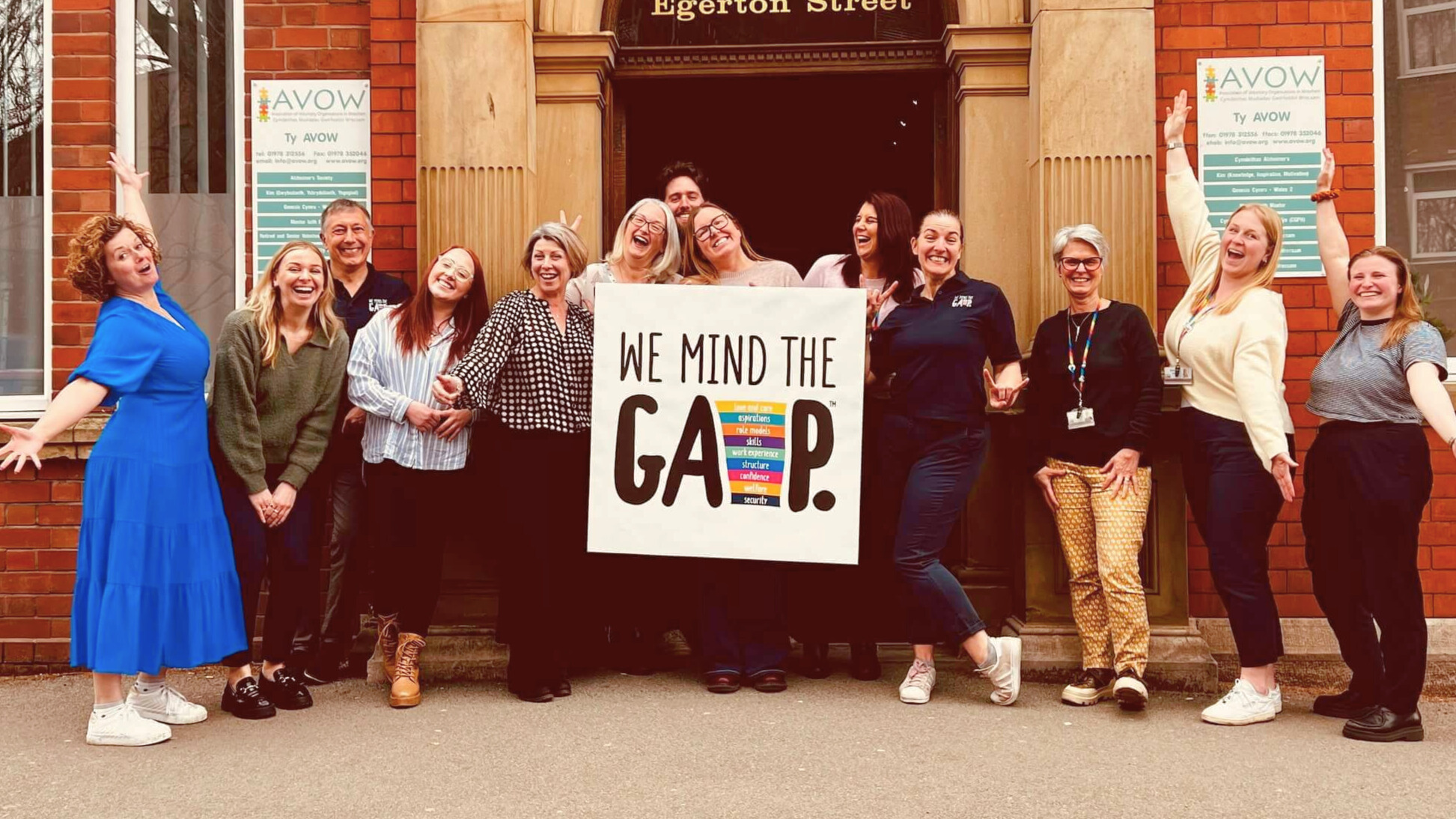
National Voluntary Sector Organisations
These are the four voluntary sector organisations for Great Britain and Northern Ireland:
These organisations often act as an umbrella body for other, more localised councils of the voluntary sector. These are the different terms for such councils in Great Britain and Northern Ireland:
| England | Local Infrastructure Bodies (LIBs) |
| Northern Ireland | District Councils for Voluntary Action (DCVAs) |
| Scotland | Third Sector Interfaces (TSIs) |
| Wales | County Voluntary Councils (CVCs) |
These organisations are valuable for playworkers and play organisations as they can offer support in areas like:
- Compliance
- Payroll
- Training
- Funding
- Policies and procedures
- Volunteer recruitment and retention
- Lobbying and influencing
Do you have a good news story from your local or national voluntary council you’d like to share? Is there something missing or incorrect? Or is there anything else you’d like to add? Please get in touch.
 The Playwork Foundation