Children’s Voices in Ireland
This autumn saw the publication of the Play in Ireland Summary Report 2025, a collaboration between PlayBoard NI and the National Childhood Network.
Drawing on the views of 144 children and young people across the Republic, the report paints a familiar picture: play is cherished, but time and space are in short supply.
- 93% said play is important in their lives.
- Nearly half felt they didn’t have enough time to play.
- Four in ten said there were very few places to play locally.
Traffic, safety concerns, and the absence of peers nearby were recurring barriers. The message is clear: children want more time, more spaces, and safer environments to play.
What Children Say About Play in Wales

Just a few weeks later, Play Wales released its third national analysis of the Play Satisfaction Survey, capturing the voices of almost 8,000 children and teenagers. The findings echo those from the Republic of Ireland, but on a much larger scale.
Children in Wales told us that while most are satisfied with their opportunities, a significant minority are not. Almost a quarter said they don’t have enough time to play, and disabled children in particular reported much lower satisfaction with the spaces available to them.
The parallels between the two reports are striking: whether in Dinbych or Dublin, children are asking for the same things – more time, more freedom, and more inclusive spaces.
Policy and Planning in Westminster
Meanwhile, the House of Commons Library published a substantial briefing on children, young people and the built environment. It highlights the decline in unaccompanied play, the rise of an “anti‑play culture”, and the need for planning reforms that put children’s rights at the centre of design.
🔗 Play England summary
🔗 Full briefing
Conferences all over!

October was certainly conference season. In Northern Ireland, PlayBoard NI hosted a regional gathering on the future of school‑age childcare. The event celebrated progress, shared best practice, and reaffirmed the role of play as central to quality provision. Feedback was unanimous: participants found it both relevant and inspiring.
Just days later, Play Wales held its national conference in Cardiff under the banner Getting it Right for Children. The Playwork Foundation was there, alongside policymakers, practitioners, and international voices. Keynotes included Professor Philip Jaffé of the UN Committee on the Rights of the Child, who reminded us that play is not a luxury but a right.
Both conferences emphasised the similar themes: the need for inclusive spaces, the importance of listening to children’s voices, and the urgency of embedding play in wider policy agendas. A reminder that across these islands, the challenges and the solutions are shared.
Play Scotland’s AGM
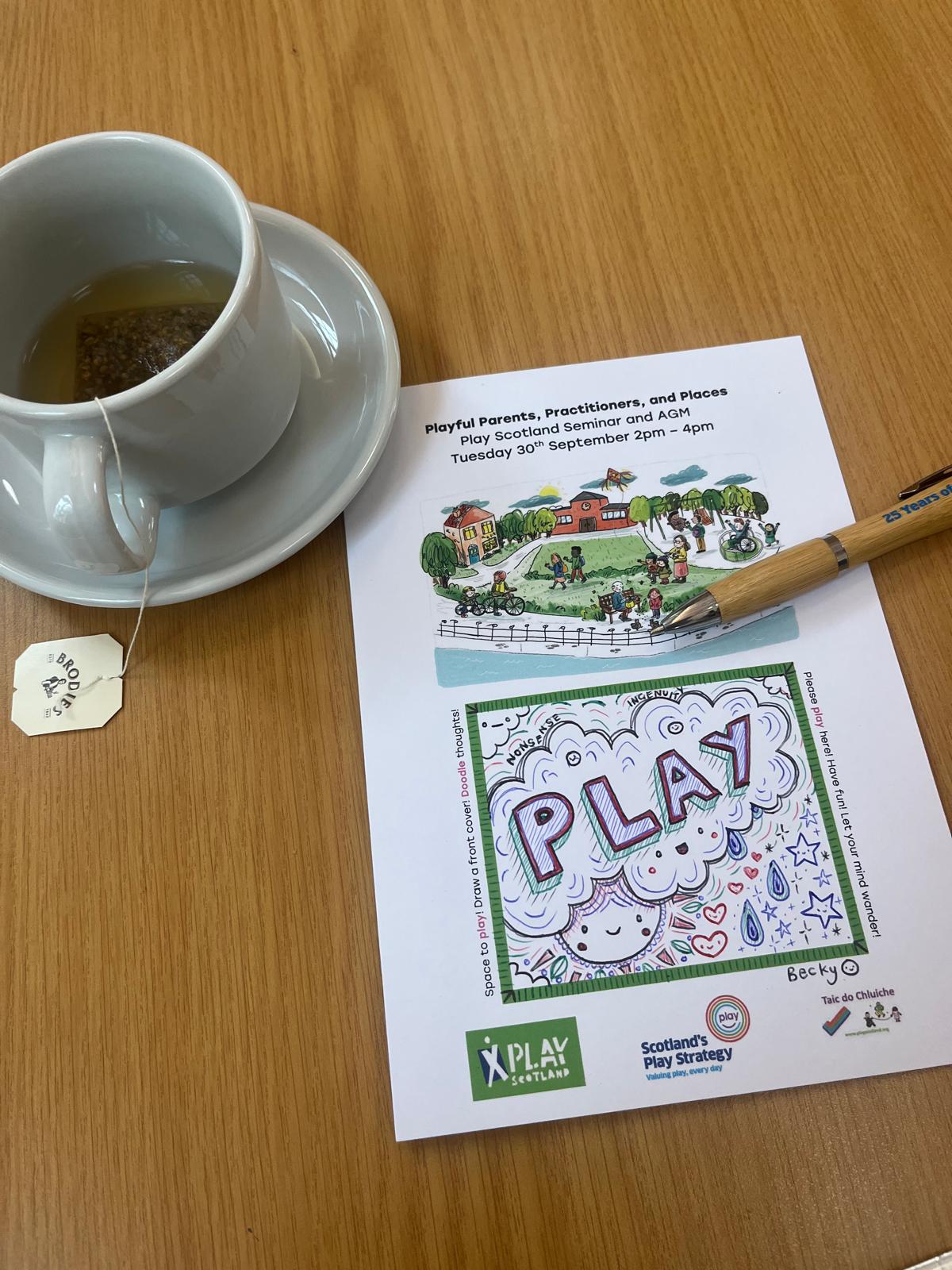
Not to be outdone, Play Scotland’s AGM brought together parents, practitioners, and policymakers under the theme Playful Parents, Practitioners, and Places. The event launched Scotland’s new Play Vision Statement and Action Plan, while celebrating champions of inclusive practice.

 The Playwork Foundation