September 5th marks the UN International Day of Charity – an opportunity to recognise the power of generosity, solidarity and volunteering create more inclusive and resilient societies.
For playwork, this is far from an abstract idea. Many playwork providers are run by charities or community groups, powered by volunteers and sustained by the goodwill of local people. Though it shouldn’t be that way, communities step in where public services are thin, creating opportunities for children to play and communities to come together.
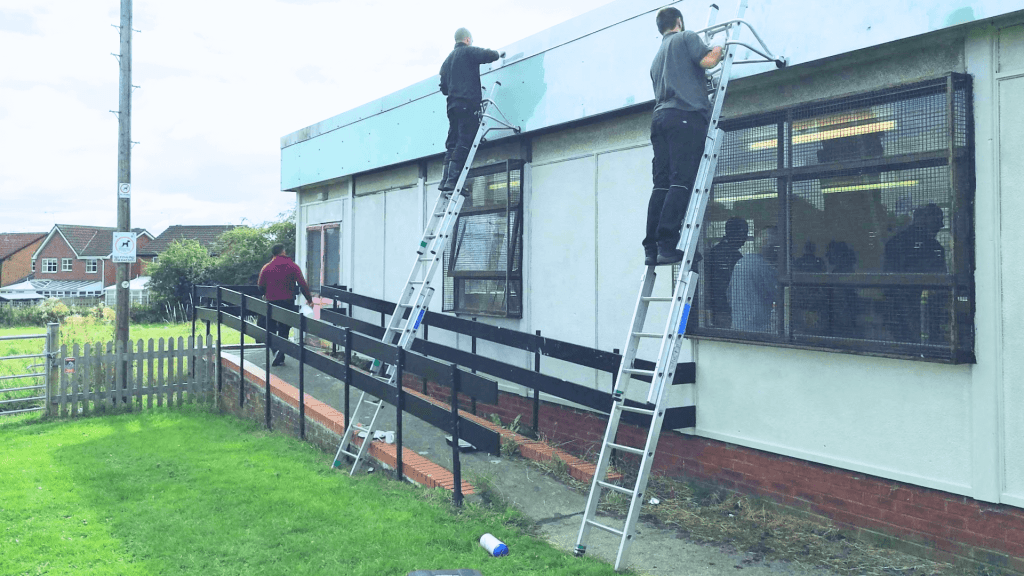
But the charitable and voluntary foundations of our sector are not just about filling gaps. They are about changing the system itself – ensuring play is recognised, resourced, and protected as a right for children and young people.
Here’s just some of the great work that’s been taking place across these islands over the last few weeks to affect such change:
UK Playwork NOS Consortium
In work that will impact playwork training and qualifications across the four nations, an update has been published on work to review the Playwork National Occupational Standards are undergoing a comprehensive, review led by the UK Playwork NOS Consortium. The Playwork Foundation are proud to be a part of this process, which has so far produced a draft functional map, started redrafting the standards with clearer, more consistent language, and strengthened links to related sectors such as childcare and social services. Wider sector consultation on the draft NOS is expected in late 2025 / early 2026, so be sure to take part when the time comes.
Play in Healthcare
In Wales, a new Focus on Play in Healthcare briefing from Play Wales highlights the vital role of play in hospitals, hospices, and other healthcare settings, both as a children’s right under Article 31 of the UNCRC and as a proven contributor to health, wellbeing, and recovery. Drawing on research, case studies, and national guidance, it shows how play can reduce anxiety and pain, speed recovery, improve trust between children and healthcare staff, and even save costs for the NHS.
A New Chapter for Scotland
In Scotland, Getting it Right for Play: A New Chapter updates Play Scotland’s national toolkit for assessing and improving outdoor play opportunities. Grounded in children’s right to play under the UNCRC and aligned with legal duties on Play Sufficiency Assessments introduced in 2023, it gives local authorities and communities practical tools to measure quality, accessibility, and inclusion – and to plan improvements informed by children’s voices. It’s a practical example of policy, legislation, and community engagement working together to make play a lived reality for every child.
A chance to celebrate in Northern Ireland

In Northern Ireland, School‑Age Childcare: The Journey – The Future is set to bring together practitioners, managers, and setting owners later this month for a morning of celebration and practical inspiration. The event will explore themes such as supporting children’s mental health and wellbeing through play, making inclusive practice playful, and unlocking the “magic” of outdoor play. It will also focus on building stronger links with further education to grow the workforce, reflecting the sector’s dual role in delivering quality provision now and shaping its sustainability for the future.
It all starts with play!

The most recent advancement in systemic change came in England this week as the inaugural meeting of the All‑Party Parliamentary Group (APPG) on Play convened just this Tuesday. Bringing together MPs, peers, and sector leaders, the meeting set out the group’s mission: to champion every child’s right to play, protect play spaces, and ensure play is embedded in public life.
This follows headway in Westminster Parliament with the Play Sufficiency Amendment – a proposal that would, for the first time, establish a Play Sufficiency Duty in England. Modelled on existing legislation in Wales and Scotland, the amendment would embed Play Sufficiency Assessments into local planning, require developers to deliver high-quality, inclusive play spaces, and prevent the net loss of play provision through development. It’s a practical, no‑cost change in law that could transform the way play is valued and protected – but only if it’s backed with the resources and political will to make it real.

This UN International Day of Charity, we’re reminded that generosity – whether in time, resources, or spirit – is a powerful force. But in playwork, it’s also a lever for wholesale change for children of this generation and the next. Every hour volunteered, every community volunteer, and every act of advocacy builds towards a future where play is not a luxury, but a guaranteed right.
Share your stories of advocacy, community action and volunteering by joining us for Playwork in Progress – every Friday from 3pm.

 The Playwork Foundation